

Hey there! As a supplier of Wiper Regulators, I often get asked about how to test these crucial components. In this blog, I'll walk you through the process step by step, so you can ensure your Wiper Regulators are in top - notch condition.
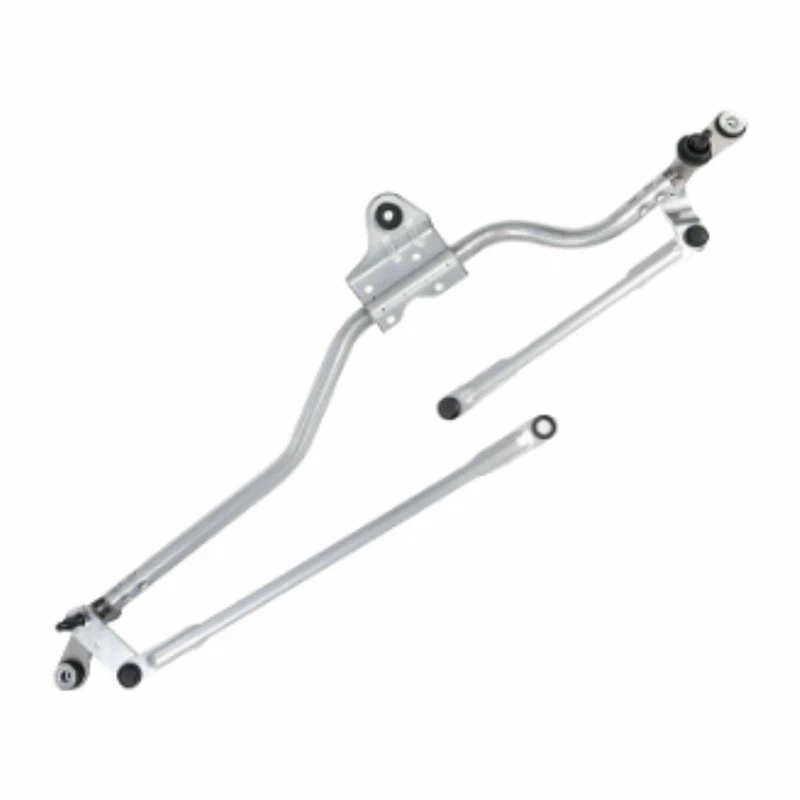
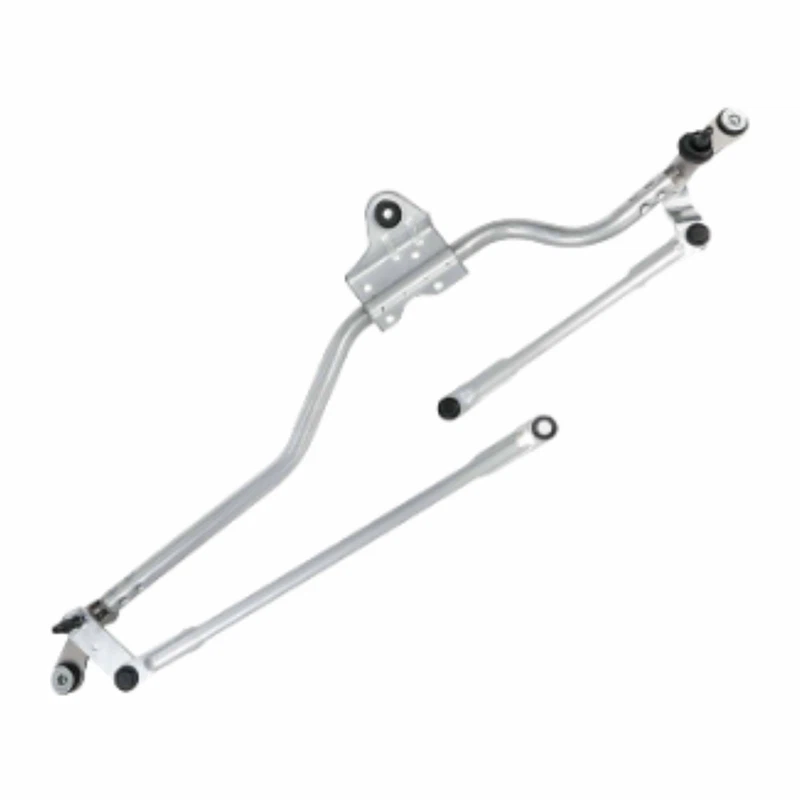
First off, let's understand what a Wiper Regulator does. It's a key part of the Wiper Transmission Parts system. The Wiper Regulator controls the speed and movement of the windshield wipers, allowing them to operate at different intervals and speeds depending on the weather conditions. Without a properly functioning Wiper Regulator, your wipers might not work as they should, which can be a real safety hazard when driving in rain or snow.
Tools You'll Need
Before you start testing, gather the necessary tools. You'll need a multimeter, which is a handy device that can measure voltage, current, and resistance. You'll also need a set of basic hand tools like screwdrivers and pliers. And don't forget safety gloves and goggles to protect yourself while working on the vehicle.
Pre - test Checks
Before you dive into the actual testing, there are a few pre - test checks you should do. First, visually inspect the Wiper Link Arm and the Wiper Regulator itself. Look for any signs of physical damage such as cracks, broken wires, or loose connections. If you notice any visible damage, it's likely that the Wiper Regulator or related parts need to be replaced.
Next, check the fuse related to the wiper system. A blown fuse can often cause the wipers to malfunction. You can find the fuse box in your vehicle's dashboard or engine compartment. Refer to your vehicle's manual to locate the specific fuse for the wipers. If the fuse is blown, replace it with a new one of the same amperage.
Testing the Wiper Regulator
Now, let's get to the main event - testing the Wiper Regulator.
Step 1: Disconnect the battery
This is a crucial safety step. Before you start working on any electrical components in your vehicle, disconnect the negative terminal of the battery. This will prevent any electrical shocks or short - circuits while you're testing the Wiper Regulator.
Step 2: Locate the Wiper Regulator
The Wiper Regulator is usually located near the wiper motor or in the wiper control module. In most vehicles, you can access it by removing a panel under the dashboard or in the engine compartment. Refer to your vehicle's manual for the exact location.
Step 3: Check the electrical connections
Once you've located the Wiper Regulator, check all the electrical connections. Make sure they are clean, tight, and free of corrosion. Corroded connections can cause poor electrical conductivity, which can lead to wiper problems. If you notice any corrosion, you can clean the connections with a wire brush and some electrical contact cleaner.
Step 4: Use the multimeter to test for voltage
Set your multimeter to the voltage setting. Connect the positive lead of the multimeter to the power input terminal of the Wiper Regulator and the negative lead to a good ground. Have someone turn on the ignition and activate the wipers. If the Wiper Regulator is getting power, you should see a voltage reading on the multimeter. If there's no voltage, there might be a problem with the wiring or the fuse.
Step 5: Test the resistance
Next, set your multimeter to the resistance setting. Disconnect the electrical connector from the Wiper Regulator. Measure the resistance between the different terminals of the Wiper Regulator. Compare these readings with the specifications in your vehicle's manual. If the resistance values are way off, it's a sign that the Wiper Regulator is faulty.
Step 6: Check the wiper speed settings
Reconnect the electrical connector to the Wiper Regulator and turn on the ignition. Test the different wiper speed settings - low, high, and intermittent. If the wipers don't change speed as expected or if they don't work at all, it could indicate a problem with the Wiper Regulator.
Troubleshooting
If you find that the Wiper Regulator is not working properly, there are a few things you can do. First, double - check all your connections and make sure you haven't missed any steps in the testing process. If the problem persists, it might be time to replace the Wiper Regulator.
As a Wiper Regulator supplier, I can offer you high - quality Wiper Regulators that are designed to meet or exceed the original equipment manufacturer (OEM) specifications. Our Wiper Regulators are rigorously tested to ensure reliable performance and long - lasting durability.
Whether you're a professional mechanic or a DIY enthusiast, having a reliable Wiper Regulator is essential for maintaining the safety and functionality of your vehicle's wiper system.
Why Choose Our Wiper Regulators?
- Quality Assurance: We use the best materials and manufacturing processes to ensure that our Wiper Regulators are of the highest quality.
- Compatibility: Our Wiper Regulators are designed to fit a wide range of vehicle makes and models, so you can be sure to find the right one for your vehicle.
- Customer Support: Our team of experts is always ready to assist you with any questions or concerns you might have about our products.
If you're looking to purchase Wiper Regulators or have any questions about testing or installation, don't hesitate to reach out. We're here to make the process as easy and hassle - free as possible for you. Whether you need just one Wiper Regulator for a personal vehicle or a bulk order for your auto repair shop, we've got you covered.
Conclusion
Testing a Wiper Regulator is not overly complicated, but it does require some basic knowledge of electrical systems and the right tools. By following the steps outlined in this blog, you can accurately diagnose any issues with your Wiper Regulator. Remember, a properly functioning Wiper Regulator is crucial for your safety on the road, especially in adverse weather conditions.
If you're in the market for a new Wiper Regulator or need more information about our products, feel free to contact us. We're eager to help you find the perfect solution for your vehicle's wiper needs.
References
- General automotive maintenance manuals
- Electrical system troubleshooting guides for various vehicle models