

Diagnosing a problem with a window motor assembly is a crucial skill for both car owners and automotive professionals. As a supplier of Window Motor Assembly, I've encountered various issues with window motor assemblies over the years. In this blog, I'll share some insights on how to effectively diagnose problems with these assemblies.
Understanding the Window Motor Assembly
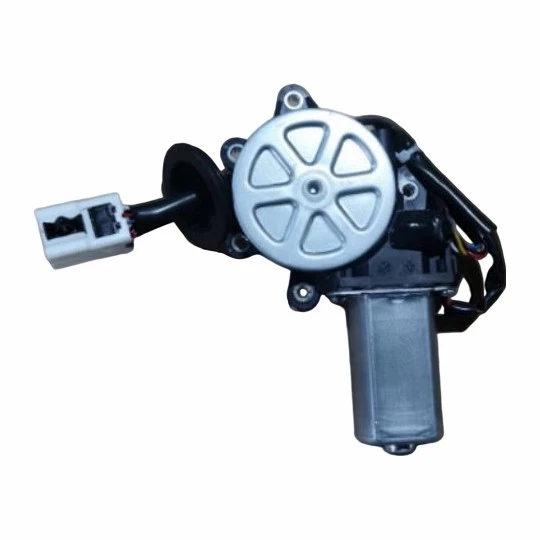
Before we delve into the diagnostic process, it's essential to understand what a window motor assembly is and how it functions. A window motor assembly is a crucial component in a vehicle's power window system. It consists of a motor, a regulator, and sometimes a control switch. The motor provides the power to move the window up and down, while the regulator translates the motor's rotational motion into linear motion to open or close the window.
There are different types of window motor assemblies available in the market, such as Car Window Motor and Regulator and Automatic Car Window Motor. Each type has its own unique features and functions, but the basic principle remains the same.
Common Symptoms of a Faulty Window Motor Assembly
The first step in diagnosing a problem with a window motor assembly is to identify the symptoms. Here are some common signs that indicate a faulty window motor assembly:
1. Window Won't Move
One of the most obvious signs of a problem with the window motor assembly is when the window won't move at all. This could be due to a variety of reasons, such as a blown fuse, a faulty motor, or a broken regulator.
2. Slow or Jerky Movement
If the window moves slowly or in a jerky manner, it could be a sign of a worn-out motor or a problem with the regulator. A slow-moving window may also indicate a lack of lubrication in the system.
3. Unusual Noises
Strange noises, such as grinding, clicking, or whining, when the window is being opened or closed, are often a sign of a problem with the window motor assembly. These noises could be caused by a damaged motor, a loose regulator, or a problem with the gears.
4. Window Stops Partially Open or Closed
If the window stops moving before it reaches the fully open or closed position, it could be due to a problem with the motor, the regulator, or the control switch.
Diagnostic Steps
Once you've identified the symptoms, you can start the diagnostic process. Here are the steps you can follow:
1. Check the Fuse
The first thing you should do is check the fuse for the power window system. A blown fuse can cause the window to stop working. Locate the fuse box in your vehicle and find the fuse for the power windows. If the fuse is blown, replace it with a new one of the same amperage.
2. Inspect the Control Switch
The control switch is responsible for sending the signal to the window motor to open or close the window. If the switch is faulty, the window may not work properly. To check the switch, use a multimeter to test for continuity. If there is no continuity, the switch may need to be replaced.
3. Test the Motor
If the fuse and the control switch are working properly, the next step is to test the window motor. You can do this by disconnecting the motor from the regulator and applying power directly to the motor using a battery. If the motor doesn't run, it may be faulty and need to be replaced.
4. Check the Regulator
The regulator is the component that translates the motor's rotational motion into linear motion to open or close the window. If the regulator is damaged or broken, the window may not move properly. Inspect the regulator for any signs of damage, such as broken gears or a bent track. If the regulator is damaged, it will need to be replaced.
5. Look for Wiring Issues
Faulty wiring can also cause problems with the window motor assembly. Inspect the wiring harness for any signs of damage, such as frayed wires or loose connections. If you find any issues with the wiring, repair or replace the damaged wires.
When to Replace the Window Motor Assembly
In some cases, the problem with the window motor assembly may be severe enough that it needs to be replaced. Here are some situations where replacement is recommended:
1. Motor Failure
If the motor is completely burned out or damaged beyond repair, it will need to be replaced. A new motor will ensure that the window operates smoothly and efficiently.

2. Regulator Damage
If the regulator is broken or severely damaged, it may not be possible to repair it. In this case, replacing the entire window motor assembly is the best option.
3. Multiple Issues
If you've identified multiple problems with the window motor assembly, such as a faulty motor, a broken regulator, and wiring issues, it may be more cost-effective to replace the entire assembly rather than trying to repair each component separately.
Conclusion
Diagnosing a problem with a window motor assembly requires a systematic approach. By identifying the symptoms, following the diagnostic steps, and knowing when to replace the assembly, you can effectively troubleshoot and fix the issue. As a Window Motor Assembly supplier, we offer high-quality window motor assemblies that are designed to meet the needs of various vehicles. If you're experiencing problems with your window motor assembly or are looking to purchase a new one, we encourage you to contact us for more information and to discuss your procurement needs. Our team of experts is ready to assist you in finding the right solution for your vehicle.
References
- Automotive Repair Manuals
- Online Automotive Forums
- Manufacturer's Technical Documentation