

Can a car window wiper motor overheat? This is a question that many car owners and automotive enthusiasts often ask. As a supplier of Car Window Wiper Motors, I've encountered various inquiries regarding the performance and potential issues of these motors. In this blog, I'll delve into the factors that can lead to a car window wiper motor overheating, the consequences of overheating, and how to prevent such a problem, offering insights based on my experience in the industry.
How Car Window Wiper Motors Work
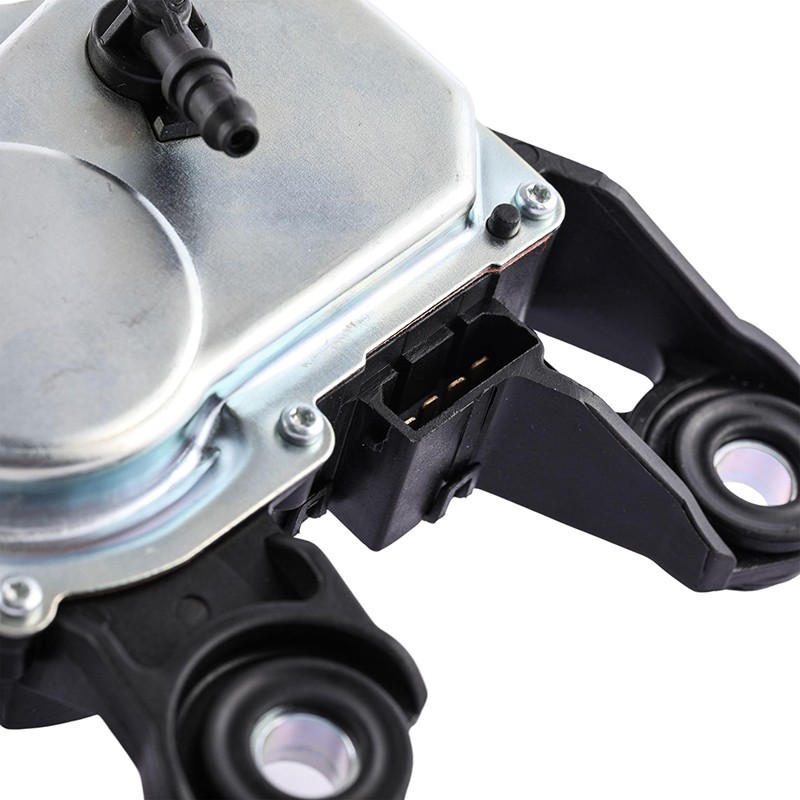
Before we explore the issue of overheating, it's essential to understand how car window wiper motors function. The wiper motor is the heart of the windshield wiper system, converting electrical energy into mechanical motion. When you turn on the wiper switch in your car, an electrical current is sent to the motor. Inside the motor, there is an armature that rotates when the current passes through it. This rotation is then transferred through a series of gears and linkages to the wiper blades, causing them to move back and forth across the windshield.
There are different types of wiper motors for various parts of the car. For instance, the Front Windshield Wiper Motor is responsible for clearing the front windshield, which is crucial for maintaining visibility while driving. The Rear Windshield Motor serves the same purpose for the rear window, especially useful in hatchbacks, SUVs, and some sedans. And the Auto Windshield Wiper Motor is designed to adjust the wiper speed automatically based on the amount of rain detected.
Factors Leading to Overheating
1. Excessive Load
One of the primary reasons a car window wiper motor may overheat is an excessive load on the motor. This can happen if the wiper blades are frozen to the windshield. In cold weather, ice and snow can prevent the blades from moving freely, forcing the motor to work harder. The motor has to generate more torque to overcome the resistance, which leads to an increase in electrical current and, subsequently, heat.
Another scenario is when the wiper arm is bent or damaged. A bent arm can cause uneven distribution of force on the motor, making it struggle to move the blades. This extra effort can cause the motor to overheat over time.
2. Electrical Problems
Electrical issues can also contribute to overheating. A short circuit in the wiring connected to the motor can cause an abnormal increase in current flow. This not only puts a strain on the motor but can also generate excessive heat. A faulty control switch can also lead to problems. If the switch fails to cut off the power to the motor when it's supposed to, the motor will continue to run, potentially overheating.

3. Lubrication and Wear
Wiper motors have moving parts that require proper lubrication to function smoothly. Over time, the lubricant inside the motor can dry out or become contaminated. When this happens, the friction between the moving parts increases. This extra friction causes the motor to work harder, generating more heat than it should.
In addition, wear and tear on the motor components, such as the brushes and bearings, can also lead to overheating. As the brushes wear down, the electrical contact inside the motor can become less efficient, resulting in higher resistance and increased heat generation.
Consequences of an Overheated Wiper Motor
1. Reduced Lifespan
When a wiper motor overheats, it can significantly reduce its lifespan. The excessive heat can damage the internal components of the motor, such as the insulation on the wires and the lubricant. This can lead to premature failure of the motor, requiring you to replace it sooner than expected.
2. Complete Motor Failure
In severe cases, an overheated motor can fail completely. This means that the wipers will stop working, leaving you with poor visibility in adverse weather conditions. A failing wiper motor can also cause other problems in the vehicle's electrical system, as the sudden loss of power can create voltage spikes.
3. Safety Risks
The most significant consequence of a wiper motor overheating is the safety risk it poses. Without functioning wipers, it becomes difficult to see clearly through the windshield during rain, snow, or when the windshield is dirty. This reduces your ability to react to potential hazards on the road, increasing the risk of accidents.
Preventive Measures
1. Regular Maintenance
Regular maintenance is key to preventing a wiper motor from overheating. This includes checking the wiper blades regularly and replacing them when they show signs of wear. You should also inspect the wiper arms for any signs of damage or bending.
Lubricating the motor's moving parts at the recommended intervals is also crucial. This helps to reduce friction and prevent overheating. Additionally, having a professional check the electrical connections and wiring for any signs of damage or wear can help catch potential problems before they cause the motor to overheat.
2. Proper Usage
In cold weather, it's important to clear the ice and snow from the windshield before turning on the wipers. This reduces the load on the motor and prevents it from having to work harder than necessary. If you notice that the wipers are moving slowly or not at all, turn them off immediately to prevent overheating.
3. Quality Parts
Using high - quality wiper motors and related components can also help prevent overheating. As a Car Window Wiper Motor supplier, I can attest to the importance of using motors that are designed to meet or exceed industry standards. Quality motors are more likely to have proper insulation, better lubrication, and more efficient electrical systems, all of which contribute to preventing overheating.
Conclusion
In conclusion, a car window wiper motor can indeed overheat due to various factors such as excessive load, electrical problems, and lack of proper lubrication. The consequences of overheating can range from a reduced lifespan of the motor to complete failure and safety risks. However, by taking preventive measures such as regular maintenance, proper usage, and using high - quality parts, you can minimize the risk of your wiper motor overheating.
If you're in the market for reliable and high - performance Car Window Wiper Motors, I invite you to reach out for a procurement discussion. We offer a wide range of products, including Front Windshield Wiper Motor, Rear Windshield Motor, and Auto Windshield Wiper Motor to meet your specific needs.
References
- Bosch Automotive Handbook, 8th Edition
- SAE International Journal of Passenger Cars - Mechanical Systems