

In the automotive industry, windshield wipers are crucial safety components that ensure clear visibility during adverse weather conditions. The wiper transmission parts play a vital role in the proper functioning of windshield wipers. As a supplier of Wiper Transmission Parts, I often receive inquiries about compatibility issues between different brands of these parts. In this blog, I will delve into this topic, exploring the potential compatibility problems and offering insights to help you make informed decisions.
Understanding Wiper Transmission Parts
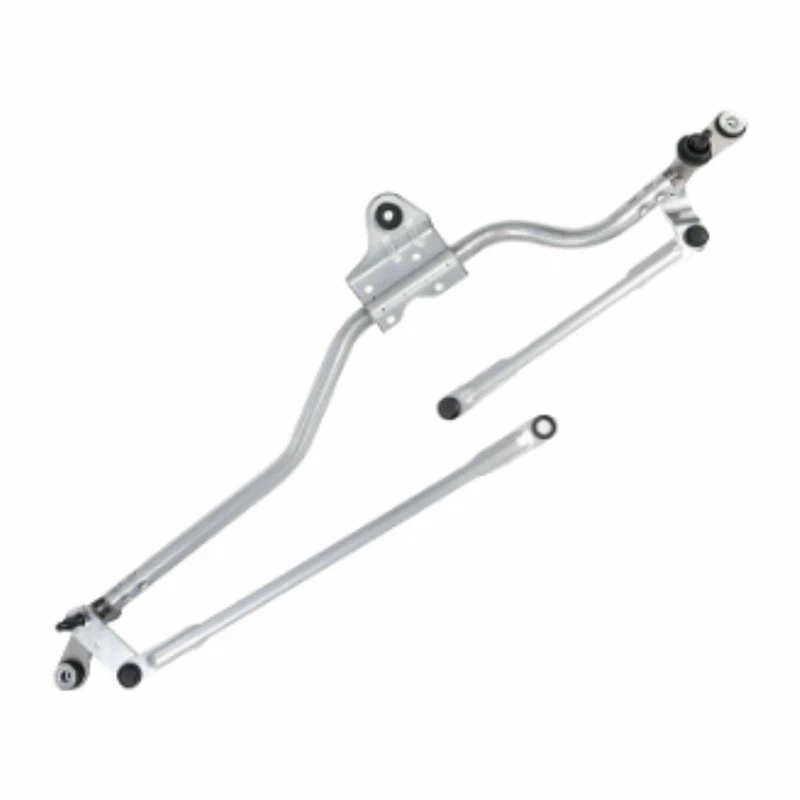
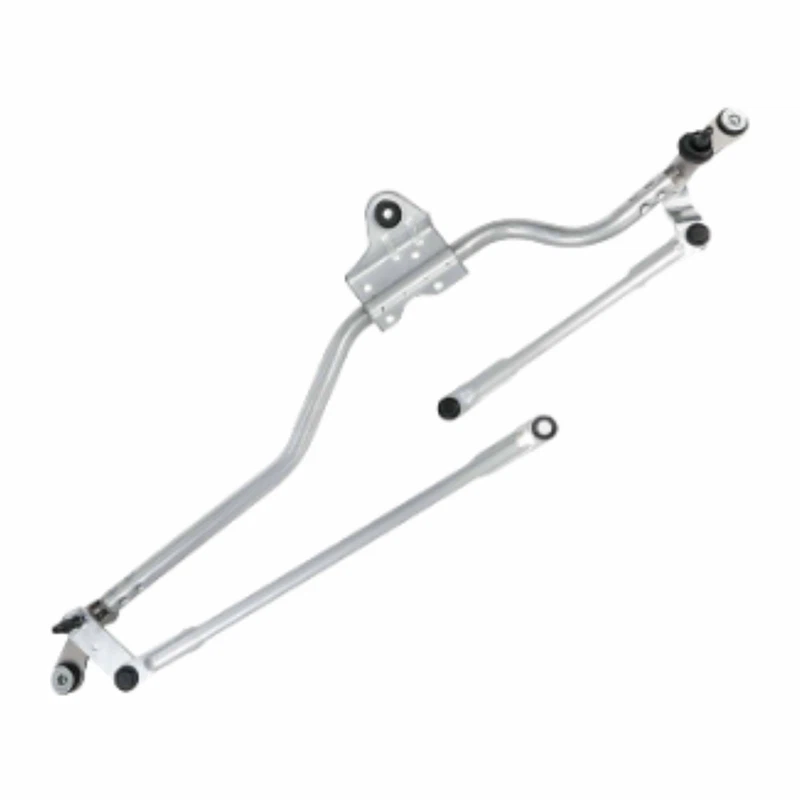
Before discussing compatibility, it's essential to understand the key components of wiper transmission systems. The main parts include the Windshield Wiper Transmission Linkage, Windshield Wiper Link Assembly, and Wiper Regulator.
The Windshield Wiper Transmission Linkage is responsible for transferring the motion from the wiper motor to the wiper arms. It consists of a series of rods and joints that work together to ensure smooth and coordinated movement. The Windshield Wiper Link Assembly connects the transmission linkage to the wiper arms, allowing them to pivot and sweep across the windshield. The Wiper Regulator controls the speed and movement of the wipers, ensuring they operate at the appropriate intervals.
Factors Affecting Compatibility
Several factors can influence the compatibility of wiper transmission parts from different brands. These include:
- Design and Dimensions: Different brands may have variations in the design and dimensions of their wiper transmission parts. For example, the length, width, and shape of the linkage rods or the size of the joints can differ. If the parts are not designed to fit together properly, it can lead to misalignment, binding, or even complete failure of the wiper system.
- Material and Quality: The materials used in the manufacturing of wiper transmission parts can also affect compatibility. Some brands may use higher-quality materials that are more durable and resistant to wear and tear. Using parts made from different materials can result in inconsistent performance and premature failure.
- Mounting and Attachment Points: The mounting and attachment points of the wiper transmission parts are critical for proper installation and compatibility. Different brands may have different mounting configurations, such as the number and location of bolts or the type of connectors used. If the mounting points do not match, it can be challenging to install the parts correctly.
- Electrical Compatibility: In modern vehicles, many wiper systems are electronically controlled. This means that the electrical components of the wiper transmission parts, such as the wiper motor and regulator, need to be compatible with the vehicle's electrical system. Using parts with incompatible electrical specifications can lead to malfunctions or damage to the electrical components.
Potential Compatibility Issues
Based on the factors mentioned above, here are some potential compatibility issues that you may encounter when using different brands of wiper transmission parts:
- Poor Fit and Alignment: If the parts do not fit together properly, it can result in misalignment of the wiper arms. This can cause the wipers to skip, chatter, or leave streaks on the windshield, reducing visibility and compromising safety.
- Inconsistent Performance: Different brands may have different performance characteristics, such as the speed and force of the wiper movement. Using parts from different brands can result in inconsistent performance, with the wipers not operating smoothly or at the same speed.
- Premature Wear and Tear: Incompatible parts may experience increased wear and tear due to the stress and strain caused by misalignment or improper operation. This can lead to premature failure of the parts, requiring frequent replacements and increasing maintenance costs.
- Electrical Problems: As mentioned earlier, electrical compatibility is crucial for the proper functioning of the wiper system. Using parts with incompatible electrical specifications can cause electrical shorts, malfunctions, or even damage to the vehicle's electrical system.
How to Ensure Compatibility
To avoid compatibility issues, it's important to take the following steps when selecting wiper transmission parts:
- Research and Compare: Before purchasing wiper transmission parts, research different brands and compare their specifications. Look for parts that are designed to fit your vehicle's make and model. Check the dimensions, mounting points, and electrical requirements to ensure compatibility.
- Consult with Experts: If you're unsure about the compatibility of a particular part, consult with a professional mechanic or an automotive parts specialist. They can provide you with expert advice and help you select the right parts for your vehicle.
- Use OEM Parts: Original Equipment Manufacturer (OEM) parts are designed to meet the exact specifications of your vehicle. Using OEM parts can help ensure compatibility and reliability. However, OEM parts can be more expensive than aftermarket parts.
- Test Fit the Parts: Before installing the parts, test fit them to ensure they fit properly. Check for any signs of misalignment or interference. If you encounter any issues, contact the supplier or manufacturer for assistance.
Conclusion
In conclusion, there can be compatibility issues between different brands of wiper transmission parts. These issues can affect the performance, reliability, and safety of your vehicle's wiper system. To ensure compatibility, it's important to research, compare, and select parts that are designed to fit your vehicle's make and model. If you're unsure about the compatibility of a particular part, consult with a professional.
As a supplier of Wiper Transmission Parts, we are committed to providing high-quality, compatible parts that meet the needs of our customers. If you have any questions or need assistance with selecting the right parts for your vehicle, please feel free to contact us. We look forward to working with you and helping you keep your windshield clear and your driving safe.
References
- "Automotive Wiper Systems: Design, Function, and Maintenance." SAE International, 2020.
- "Windshield Wiper Technology: An Overview." Automotive Engineering International, 2019.
- "Compatibility Considerations for Automotive Replacement Parts." Society of Automotive Engineers, 2018.